
Alaskan Seiti Recipe: Healthy, Delicious & Easy to Make
Chefs, fitness enthusiasts and seafood lovers are incorporating Alaskan Seiti into their favorite meal lists for a reason. In addition to being delicious and simple to prepare, this mild and flaky white fish offers the ideal balance of affordability, nutrition and adaptability for regular meals.
This fish is an Alaskan seiti recipe. This mild white fish from Alaska’s frigid waters has quietly gained popularity among chefs, dietitians and seafood enthusiasts due to its delicate texture, reasonable price and exceptional health benefits. Alaskan seiti provides the ideal balance of flavor and nutrition whether you’re looking for a delicious new ingredient for your kitchen or want to eat healthier. This undervalued seafood option is becoming more and more popular due to its high protein content and reputation for being eco-friendly.
What is Alaskan Seiti?
Alaska pollock is commonly referred to as “Alaskan seiti” in the current market. Its texture and cooking behavior are largely explained by this familial connection. If you’ve eaten haddock, cod or any other flaky whitefish, you already know what to anticipate. The Alaska pollock inhabits the coldest waters of the Gulf of Alaska.
The fact that those waters are highly productive and support substantial fish populations is one of the reasons pollock has become such an important commercial species. Several background guides describe seiti as a trade or regional market name used for this fish in specific contexts despite the fact that the name varies by country and may be confused with other terms related to pollock. Regular consumers should treat “Alaskan seiti” as a name that usually refers to Alaska pollock rather than as a mysterious rare species.

Taste and Texture: What Does Alaskan Seiti Taste Like?
Alaskan seiti has a lean flaky texture and a mild clean slightly sweet flavor. It doesn’t have an overpowering greasy or fishy flavor. One of its main advantages is that. For people who enjoy rich seafood like salmon or mackerel, it might be subtle. But this subtlety is exactly what makes it so successful in both home cooking and large-scale food production. It works well with marinades, coatings, sauces, herbs and spices. Many guides call it a blank canvas or a sauce-friendly fish because of how well it absorbs flavors from its surroundings. In practical terms this is what to expect.
- Taste: mild, delicate, slightly sweet.
- Tender, flaky and softer than cod in texture.
- Oil content: lower than that of salmon.
- Best Trait: The best quality is that it goes well with strong seasonings.
The primary drawback is that if overcooked, it can quickly become boring. This isn’t due to the fish’s poor quality. This is due to the rapid moisture loss of lean whitefish.
Nutritional Value: Essential nutrients plus lean protein.
Alaskan Seiti remarkable and well-rounded nutrient profile is one of its main advantages.
- High-quality protein: Each serving has about 16–20g of lean protein which is essential for sustaining muscle mass and metabolic health.
- Low fat and calories: Because most servings contain less than 1 g of fat and less than 90 calories, it is perfect for diets that restrict calories.
- Omega-3 fatty acids: Although not as abundant as oily fish like salmon, seiti contains marine-derived DHA and EPA, which promote heart and brain health.
- Minerals and vitamins: Seiti contains selenium (a potent antioxidant) phosphorus (for bones) vitamin B12 (for blood cells and nerves) and niacin (for energy metabolism).
Alaskan Seiti is a good option for heart health, weight control, immune support and everyday nutrition because of this combination.
Mineral and vitamin-rich: Alaskan Seiti
Important nutrients like these are found in Alaskan Seiti.
- B12 vitamins
- Selenium
- Phosphate
- Fatty acids (omega-3)
These nutrients promote immunity, bone health, cardiovascular health and brain function.
How to Cook Seiti from Alaska:
Alaskan Seiti mild flavor and soft texture make cooking it easy. This adaptable white fish is ideal for both quick meals and restaurant-style dishes because it readily absorbs sauces, herbs and spices. There are many delectable ways to prepare Alaskan seiti including grilled seafood, crispy pan-fried fillets and nutritious baked fish.
1. Alaskan seiti grilled:
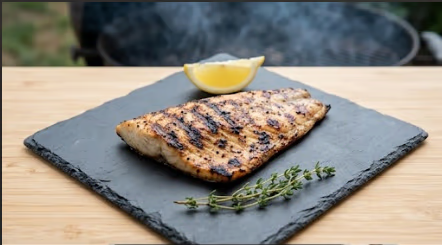
Grilling keeps the fish juicy and nutritious while adding a smoky flavor.
Ingredients:
- 2 Alaskan Seiti fillets
- 1 tablespoon olive oil
- Lemon juice
- Salt and black pepper
- Garlic powder
- Fresh herbs
Directions:
- Using a paper towel, pat dry the fillets.
- Apply lemon juice and olive oil to the fish.
- Add herbs, salt, pepper and garlic powder for seasoning.
- Set the grill’s temperature to medium-high.
- The fillets should be cooked through and flaky after 3–4 minutes on each side of the grill. Serve warm with salad, rice or vegetables.
2. Alaskan Seiti in the oven:
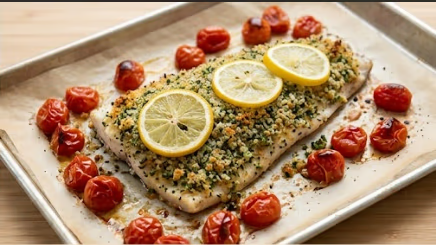
One of the simplest and healthiest cooking techniques is baking.
Ingredient:
- Alaskan Seiti fillets
- Butter or olive oil
- Breadcrumbs
- Garlic
- Paprika
- Lemon slices
Guidelines:
- Turn the oven on to 200°C or 400°F.
- Transfer the fillets to a parchment-paper-lined baking tray.
- Use olive oil or melted butter as a brush.
- Top with paprika, salt, pepper, garlic and breadcrumbs.
- Add some slices of lemon for flavor.
- The fish should be tender and flaky after 12 to 15 minutes in the oven.
3. Alaskan Seiti with Pan Searing:
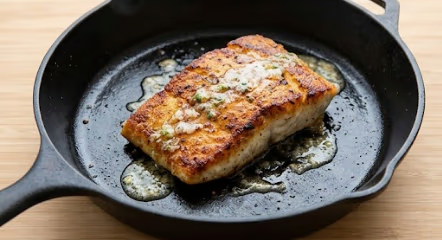
Pan-searing keeps the interior juicy and soft while producing a crispy exterior.
Directions:
- Heat one tablespoon of butter or oil in a skillet.
- Add salt, pepper and herbs to the fish to season it.
- Add the fillets to the hot pan.
- Cook until golden brown, about 3–4 minutes on each side.
- For extra flavor add garlic butter sauce.
4. Tacos with Crispy Fish:

In tacos and sandwiches Alaskan Seiti is also a great addition. A quick serving suggestion:
- Cook the fish and stuff it into soft tortillas.
- Add the salsa, spicy mayo and cabbage slaw.
- Add the lime juice and fresh coriander on top.
- Alaskan Seiti subtle flavor works well with tangy and spicy flavors.
Also read: Onion kulcha recipe
In Conclusion:
Alaskan Seiti is a sustainable, reasonably priced and nutrient-dense seafood option that merits greater attention. It can be used in a variety of recipes and diets due to its mild flavor, soft texture and remarkable health benefits. This adaptable white fish can be incorporated into nutritious weekly meals whether it is baked, pan-seared or grilled. Alaskan Seiti continues to be a wise seafood choice for families, chefs and health-conscious consumers alike as more people pay attention to sustainable eating and balanced nutrition.